
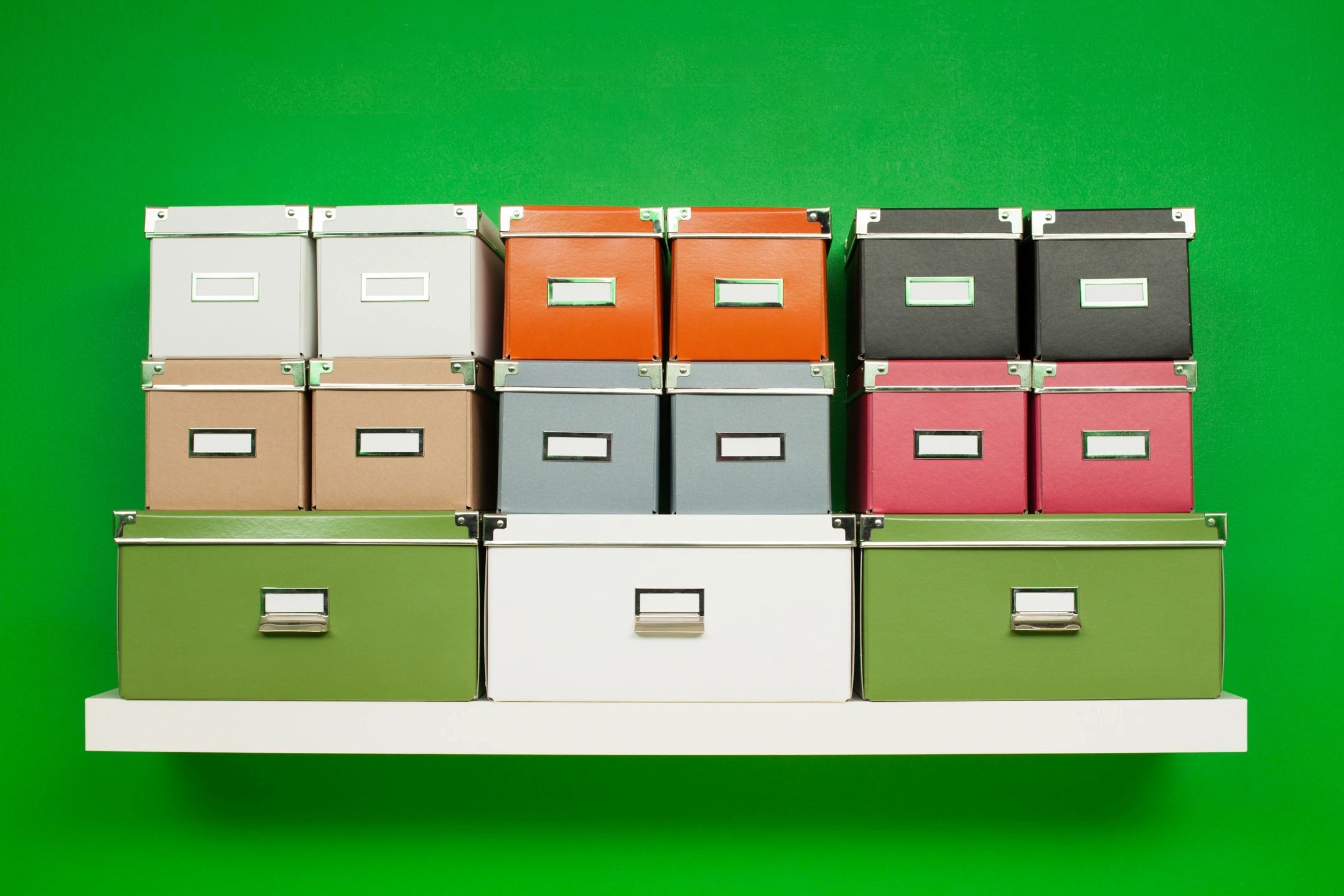
If your storage spaces are stuffed with matching bins, neatly labeled shelves, and carefully folded items—but you still can’t find what you need—it’s not you. It’s the system.
The truth is, even organized people run into storage frustrations. Maybe you can’t access things easily, certain areas get messy again overnight, or you find yourself forgetting what’s tucked away. The good news? You don’t need to run to the store for more bins. The solution often lies in how you’re using your existing space, not how many containers you own.
Here’s a practical look at why your storage might not be working—and how to fix it with what you already have.
1. You’re Storing the Wrong Things in the Wrong Places
The number one storage mistake? Location mismatch. If your most-used items are stored in the hardest-to-reach spot, your system will fail.
Fix it:
- Keep daily-use items at eye level and within easy reach.
- Move rarely used or seasonal items to high shelves or back corners.
- Think “prime real estate” for convenience, not just for looks.
2. You Can’t See What You Own
Even in neatly labeled bins, if you can’t quickly see or recall what’s inside, you’re more likely to buy duplicates or forget what you have.
Fix it:
- Use clear containers for smaller items.
- For opaque bins, add visual labels (photos or color coding) instead of just text.
- Store like with like so categories are obvious.
3. Your Categories Are Too Broad (or Too Narrow)
A bin labeled “Miscellaneous” is basically a black hole. But a bin labeled “Red Gel Pens” might be too specific to maintain.
Fix it:
- Use categories that make sense for how you live.
- Group items in a way that’s easy to remember and maintain (e.g., “Art Supplies” instead of “Markers” and “Crayons” in separate bins if you tend to use them together).
4. You’re Overfilling Your Space
A container that’s crammed to the brim is hard to use, even if it’s “organized.”
Fix it:
- Leave breathing room—about 10–20% of each shelf or bin empty.
- If a category consistently overflows, edit it down before finding more space for it.
5. Your Storage Isn’t Flexible
Life changes—your storage should too. Rigid systems make it harder to adapt.
Fix it:
- Use adjustable shelves or modular systems you can rearrange.
- Leave open space in each zone for shifting needs.
Good storage isn’t just about having matching containers—it’s about making your space work with you, not against you. By reassessing what you store, where you store it, and how accessible it is, you can create a system that works without spending a dime on new bins.
Sometimes the fix is as simple as swapping shelves, rethinking categories, or leaving a little breathing room. And when your storage truly works, your home feels lighter, calmer, and easier to live in. Interested in getting some systems set up in your home? Let’s chat!